Tax Filing Deadline 2026: 10 Important Dates and What They Mean
 Vincent
Tax Filing Deadline 2026: 10 Important Dates and What They Mean
The tax filing deadline is a critical milestone that every taxpayer should mark on their calendar right away. Last-minute filing can create avoidable stress, so preparing early can make the process easier. Understanding the filing and payment deadlines can help you avoid preventable penalties and last-minute problems. You might think taxes are complicated, but breaking down the tax filing deadline into manageable parts makes it straightforward.
Starting preparation early gives you more time to gather records, check official IRS guidance, and correct errors before filing.
Introduction to Tax Filing Deadlines
In this section, we'll dive into the basics of what the tax filing deadline means for you as an individual. The filing deadline is more than a calendar date: it is an important point for staying compliant and claiming any refund for which you are eligible. Knowing the key deadlines also helps with organizing tax documents and payment planning.
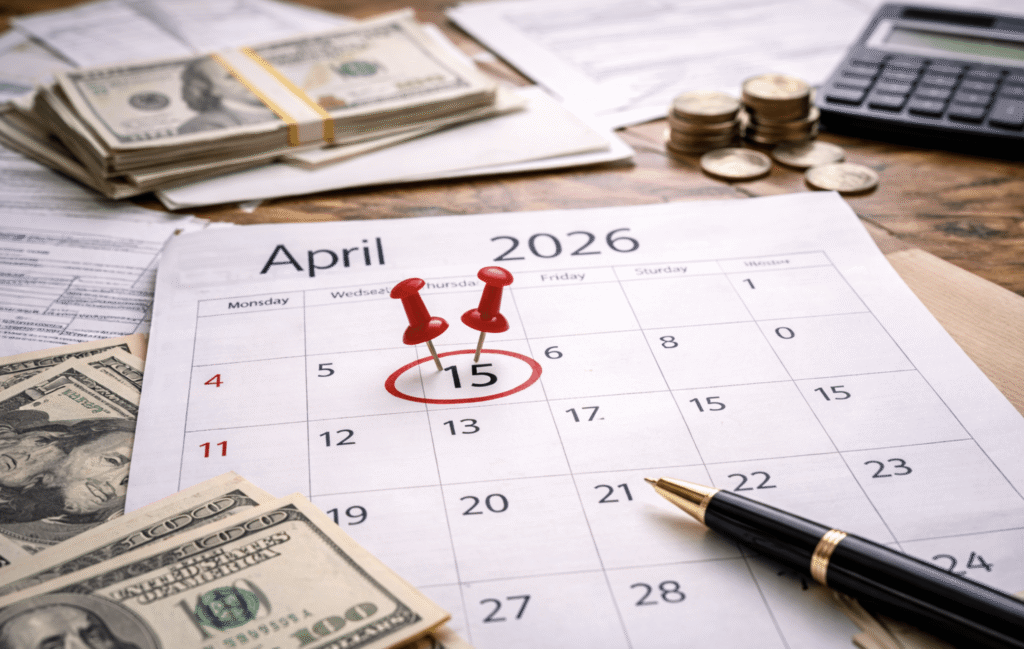
You can avoid penalties by familiarizing yourself with the primary tax filing deadline for most Americans. The deadline can also serve as a useful reminder to review the year's tax documents and filing position. The official tax filing deadline for 2025 returns is April 15, 2026, for calendar-year filers. I suggest you check if your fiscal year differs, as that could shift your tax filing deadline. Different filing situations can have different deadlines, so taxpayers should confirm the date that applies to them.
You should note that if the tax filing deadline falls on a weekend or holiday, it moves to the next business day. When a deadline falls on a weekend or legal holiday, confirm the adjusted date using current IRS guidance.
The Main Tax Filing Deadline: April 15, 2026
Here, we'll explore the core date that defines the tax filing deadline for most people. For most calendar-year individual filers, April 15, 2026 is the federal deadline for filing a 2025 income tax return, subject to applicable extensions or special relief. Gathering W-2s, 1099s and other records well before the deadline can reduce filing errors. You will want to pay any taxes owed by this tax filing deadline to prevent interest accrual.
In my experience, missing the tax filing deadline can lead to a 5% monthly penalty on unpaid taxes. The tax filing deadline also coincides with the first estimated tax payment for 2026. The IRS Tax Withholding Estimator can help taxpayers review withholding when appropriate.
We find that electronic filing speeds up processing around the tax filing deadline. You can expect refunds faster if you e-file by the tax filing deadline. State filing deadlines may differ from the federal deadline, so taxpayers should check the rules for their state.
For more on state taxes, check our internal guide at Tax Refunds in the United States: Know the process
Requesting an Extension for Your Tax Filing Deadline
This part covers how to extend your tax filing deadline if needed. Taxpayers who need more time to file may request an extension, generally moving the federal filing deadline to October 15, 2026. We stress that an extension is for filing, not paying, settle debts by the original tax filing deadline.
You must file Form 4868 by April 15 to push your tax filing deadline. An extension gives more time to file, but it does not generally extend the time to pay tax due.
The tax filing deadline extension is automatic upon approval. I recommend using IRS Free File for your extension request before the tax filing deadline. Planning for the extended filing date can make record gathering and return preparation more manageable.
You should estimate and pay any owed amount to minimize penalties post-tax filing deadline. As a practical tip, I suggest tracking your extension confirmation for the new tax filing deadline.
Explore our internal resource on tax forms at USA: Tax Form 5498, IRA Guide - How to for Form 4868 details.
Estimated Tax Payments and Their Deadlines
Let's detail the quarterly payments that tie into the broader tax filing deadline.
- I constantly remind self-employed individuals that estimated tax deadlines are crucial alongside the main tax filing deadline.
- We know the fourth quarter 2025 estimated payment is due January 15, 2026.
- You need to make these to avoid underpayment penalties before the tax filing deadline.
- The first 2026 estimated tax installment is generally due April 15.
- The second is June 15, 2026, which follows the tax filing deadline.
- I advise calculating your estimated taxes accurately to meet these deadlines.
- We often see people use Form 1040-ES for these payments after the tax filing deadline.
- You can pay online via IRS Direct Pay to hit these estimated tax deadlines.
- Missing estimated-tax requirements can result in an underpayment penalty; taxpayers should check the IRS rules that apply to their situation.
For tips on calculations, see our internal article at Tax Relief Eligibility Calculator.
Penalties for Missing the Tax Filing Deadline
Understanding consequences is key; here, we break down penalties related to the tax filing deadline. Late filing can trigger a failure-to-file penalty when tax is owed, subject to IRS rules, caps, and exceptions.
- We urge you to pay at least 90% of owed taxes by the tax filing deadline to reduce penalties.
- You might face a minimum penalty if your return is over 60 days past the tax filing deadline.
- From my insights, the failure-to-pay penalty is 0.5% monthly, starting from the tax filing deadline.
- The underpayment penalty for estimated taxes can apply if you miss quarterly deadlines before or after the tax filing deadline.
- I suggest setting reminders to avoid these costs tied to the tax filing deadline.
- If a deadline has been missed, IRS payment options and penalty-relief rules may be relevant depending on the circumstances.
- You can request penalty abatement if you have reasonable cause after the post-tax filing deadline.
A timely extension can help avoid a failure-to-file penalty for the extended filing period, but it does not normally postpone payment obligations.
When Are Taxes Due in 2026? Key IRS Deadlines for Your Money
Special Cases Affecting the Tax Filing Deadline
Special situations can alter your tax filing deadline; let's examine them. Special deadline rules can apply to members of the military serving in a combat zone.
- We recognize that living abroad might give you until June 15 for the tax filing deadline.
- You should notify the IRS if in a disaster area, as it could postpone your tax filing deadline.
- Federally declared disasters can result in postponed filing and payment deadlines announced by the IRS.
- The tax filing deadline for fiscal year filers is the 15th of the fourth month after year-end.
- I recommend checking IRS announcements for any shifts in the tax filing deadline due to events.
- Taxpayers affected by special circumstances should use the applicable IRS notice to confirm their postponed deadline.
- You can find relief options on the official IRS site for modified tax filing deadlines.
- Some special relief also postpones specified payment deadlines; the exact scope depends on the IRS announcement or statutory rule.
For more on disaster relief, visit our internal link at Advantages tax debt help: Tax Debt services IRS.
Tax Filing Deadline for Businesses and Other Entities
While focused on individuals, businesses have related tax filing deadlines. Calendar-year partnerships and S corporations generally have March filing deadlines, while other entities can follow different schedules.
- We note S-corp deadlines are also March 15, impacting personal tax filing deadlines.
- You might need to align your business and personal tax filing deadlines.
- Corporate filing deadlines depend on entity type and tax year, so businesses should verify the applicable due date rather than assume the individual deadline applies.
- The employer tax deposits have semiweekly or monthly rules around the tax filing deadline.
- I suggest using the IRS tax calendar for all business-related tax filing deadlines.
- Certain late business returns can carry penalties calculated by reference to partners or shareholders.
- You can extend business returns, similar to individual tax filing deadlines.
Coordinating business and individual filing obligations can help prevent missed deadlines.
Preparing Early for the Tax Filing Deadline
Preparation tips to meet your tax filing deadline smoothly. I always encourage organizing receipts months before the tax filing deadline.
- We believe using tax software can streamline meeting the tax filing deadline.
- You should review last year's return to anticipate changes by the tax filing deadline.
- A qualified tax professional may be useful when a return involves complex income, entity, state, or filing issues.
- The filing season opens January 26, 2026, ahead of the tax filing deadline.
- I recommend e-filing for faster refunds post-tax filing deadline.
- Keeping complete records can help ensure eligible deductions and credits are not overlooked.
- You can use IRS online tools to prepare for the tax filing deadline.
Early preparation gives taxpayers more time to identify missing documents and correct errors before filing.
Common Mistakes Around the Tax Filing Deadline
Avoid pitfalls that many face with the tax filing deadline. A common mistake is assuming an extension to file also extends the time to pay.
- We warn against underestimating owed taxes by the tax filing deadline.
- You might overlook estimated payments, leading to penalties after the tax filing deadline.
- An outdated mailing address or incorrect account information can complicate IRS correspondence and refund processing.
- The mistake of filing late without reason racks up fees from the tax filing deadline.
- I advise double-checking math to avoid amendments after the tax filing deadline.
- Taxpayers should review dependent eligibility carefully before filing.
- You should verify all income sources to comply by the tax filing deadline.
Rushing a return can increase the risk of avoidable errors.
Resources and Tools for Managing Tax Filing Deadlines
Essential resources to handle your tax filing deadline.
- I highly recommend the IRS website for official tax filing deadline info. Visit https://www.irs.gov/filing/individuals/when-to-file.
- We suggest TurboTax for guidance on tax filing deadlines. Check turbotax.intuit.com/tax-tips.
- You can use the IRS Tax Calendar app to track the tax filing deadline.
- In my toolkit, Free File is great for extensions before the tax filing deadline.
- The NerdWallet guide offers insights into estimated tax deadlines related to the tax filing deadline.
- I suggest bookmarking these for year-round tax filing deadline awareness.
- You will find community forums helpful for questions on the tax filing deadline.
As a final note, I know staying informed prevents issues with the tax filing deadline.

IRS Filing Timeline 2026: Critical February 28 Deadline Could ...
10 Important Tax Dates to Remember
- January 15, 2026: Final estimated tax payment for 2025.
- January 26, 2026: IRS filing season opens.
- April 15, 2026: Main tax filing deadline for 2025 returns and first 2026 estimated payment.
- June 15, 2026: Second 2026 estimated tax payment.
- September 15, 2026: Third 2026 estimated tax payment.
- October 15, 2026: Extended tax filing deadline.
- January 15, 2027: Final 2026 estimated tax payment.
- March 2, 2026: Alternative date for some estimated tax exemptions.
- February 2, 2026: Deadline for certain unfiled returns.
- Various: Disaster or military extensions as announced.
This list is intended as a planning aid; important dates should be confirmed against current IRS guidance.
Keeping the dates in a calendar or reminder system can make them easier to track. You can add these to your calendar to stay ahead of each tax filing deadline.
FAQ
What is the primary tax filing deadline in 2026?
The primary tax filing deadline is April 15, 2026, for filing 2025 returns and paying owed taxes.
Can I extend my tax filing deadline?
Yes, you can extend to October 15, 2026, by filing Form 4868, but payments are due by April 15.
What are the estimated tax payment deadlines for 2026?
They are April 15, June 15, September 15, 2026, and January 15, 2027.
What penalties apply if I miss the tax filing deadline?
Late filing incurs 5% per month, late payment 0.5% per month, plus interest.
Where can I find official information on the tax filing deadline?
Visit the IRS website at https://www.irs.gov for the most accurate tax filing deadline details.
Do special circumstances change the tax filing deadline?
Yes, military service or disasters can extend your tax filing deadline; check IRS notices.
How do I pay taxes by the tax filing deadline?
Use IRS Direct Pay, credit card, or mail a check by the tax filing deadline.
What if I can't pay by the tax filing deadline?
Set up an installment agreement with the IRS to manage payments after the tax filing deadline.
Is the tax filing deadline the same for businesses?
No, partnerships and S-corps have March 15, but individuals align with April 15.
Can I file early before the tax filing deadline?
Yes, the season opens January 26, 2026, allowing filings before the tax filing deadline.